
How to Use Decorative Rock to Create a Backyard Meditation Space
Backyards are increasingly being designed as spaces for balance and restoration, where materials shape not only function but also atmosphere. Decorative rock plays a central role in this transformation, offering texture, structure, and a natural rhythm that grounds the environment. With thoughtful placement, it can turn an ordinary yard into a meditation space that feels purposeful and serene.
November 24, 2025
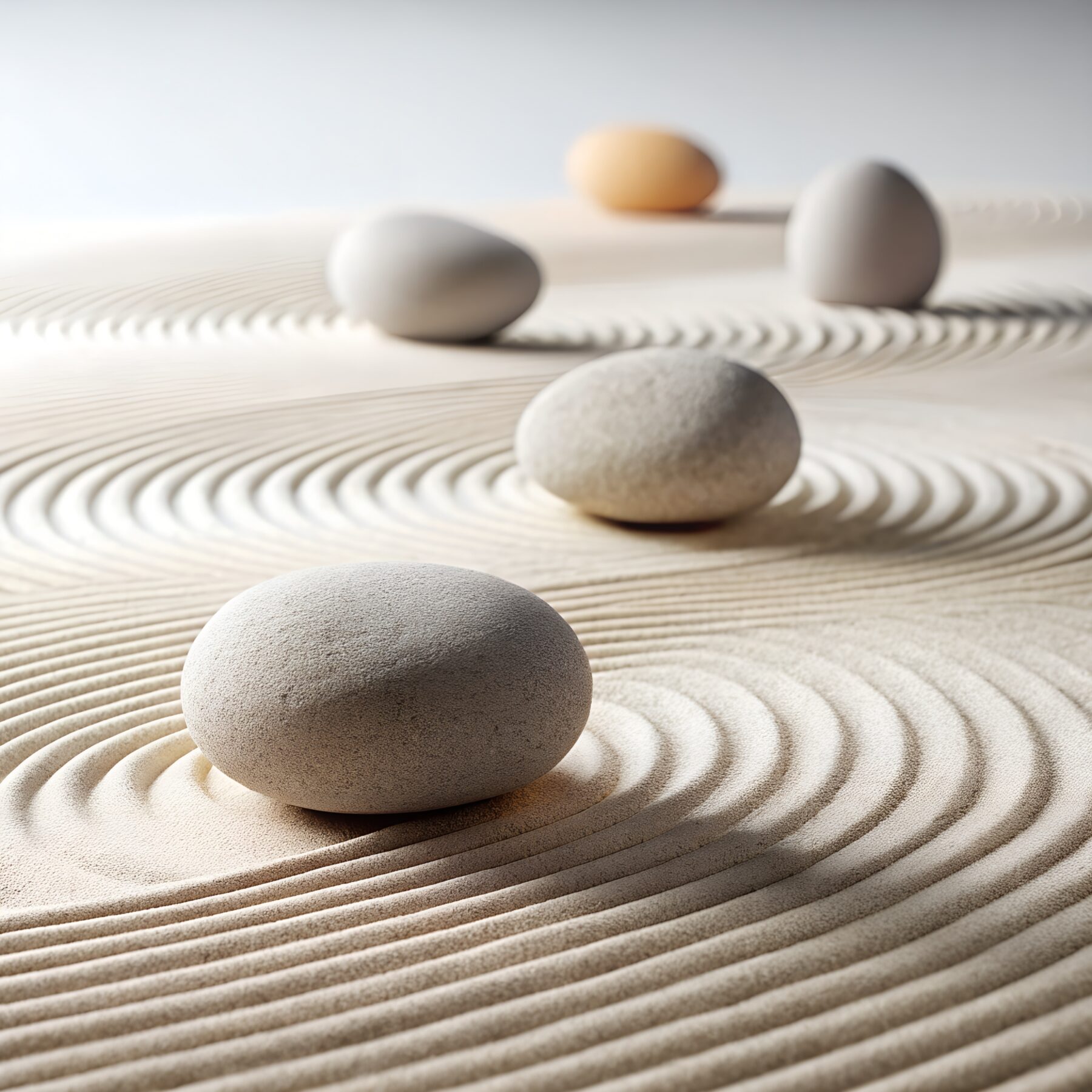
Building the Foundation with Decorative Rock
The foundation of a meditation area sets the tone for the entire design. Decorative rock establishes a surface that is stable, low-maintenance, and visually defined. Pea gravel provides comfort underfoot and creates welcoming zones for walking or seating, while crushed stone offers clean edges and structure. Together, these elements create a strong and enduring base.
Introducing variety enhances the character of the space. River rock contributes a sense of flow with its smooth, rounded shapes, while angular aggregates bring clarity and order. These contrasts not only influence appearance but also guide the overall feeling of the setting, from soft and natural to structured and intentional.
Creating Pathways that Guide Movement
Meditation is often as much about gentle movement as it is about stillness. Pathways made from gravel or small stone invite slower steps and intentional pacing, naturally slowing the rhythm of the space. Larger stones used as borders secure the path and sharpen the visual layout, making each walkway feel both defined and inviting.
The sound of stone shifting beneath each step becomes part of the experience, adding a sensory element that heightens awareness. When complemented by planting or subtle features, these pathways act as quiet transitions that lead deeper into the atmosphere of calm.
Designing Rock Gardens for Tranquility
Rock gardens serve as anchors within meditation spaces, combining simplicity with striking presence. Carefully placed boulders act as focal points, while layers of gravel and mid-sized stone balance scale and proportion around them. This composition, rooted in Zen-inspired design, reflects harmony through thoughtful arrangement.
Adding moss or resilient plantings enhances the scene with natural life while maintaining the quiet structure of the garden. These details create a landscape that feels grounded and timeless, capable of sustaining its presence across the seasons.
Adding Layers of Texture and Color
The strength of decorative rock lies in its versatility. Earthy tones introduce warmth, lighter shades brighten shaded corners, and mixing sizes adds depth. Polished pebbles paired with coarse gravel create contrast that is both visual and tactile. Texture plays an equally important role: smooth surfaces communicate flow, while angular stone conveys permanence. Each choice builds dimension, producing an environment that feels intentional from every angle.
Enhancing the Experience with Practical Features
Function and beauty work best when they align. Decorative rock contributes both, ensuring stability and order while elevating the overall design. A well-prepared gravel base supports drainage, keeping the area usable through seasonal changes. Around plantings, rock mulch helps maintain soil structure and control growth, extending the clean appearance of the space.
Seating areas also benefit from the support of stone foundations. Gravel pads secure benches, while flagstone surfaces provide natural platforms for cushions or statues. Each placement strengthens the sense of purpose in the layout, merging practicality with calm design.
Decorative rock unifies every part of a meditation setting. It forms the base, guides movement, introduces texture, and supports function in a way that feels cohesive and enduring. Rather than acting as an accessory, it becomes the framework that shapes the overall character of the backyard. With the right selection and placement, decorative rock turns outdoor areas into retreats that encourage reflection and create lasting comfort.