
The Benefits of Using Sand and Gravel for Playground Safety Surfaces
Walk through any well-designed playground and you'll notice something important happening beneath your feet. The surface beneath that activity is crucial. It is an essential component of what makes play safe and welcoming, and it adds a foundational element to the space. Sand and gravel have remained trusted choices, delivering reliability without compromising the look and feel of outdoor spaces.
August 5, 2025
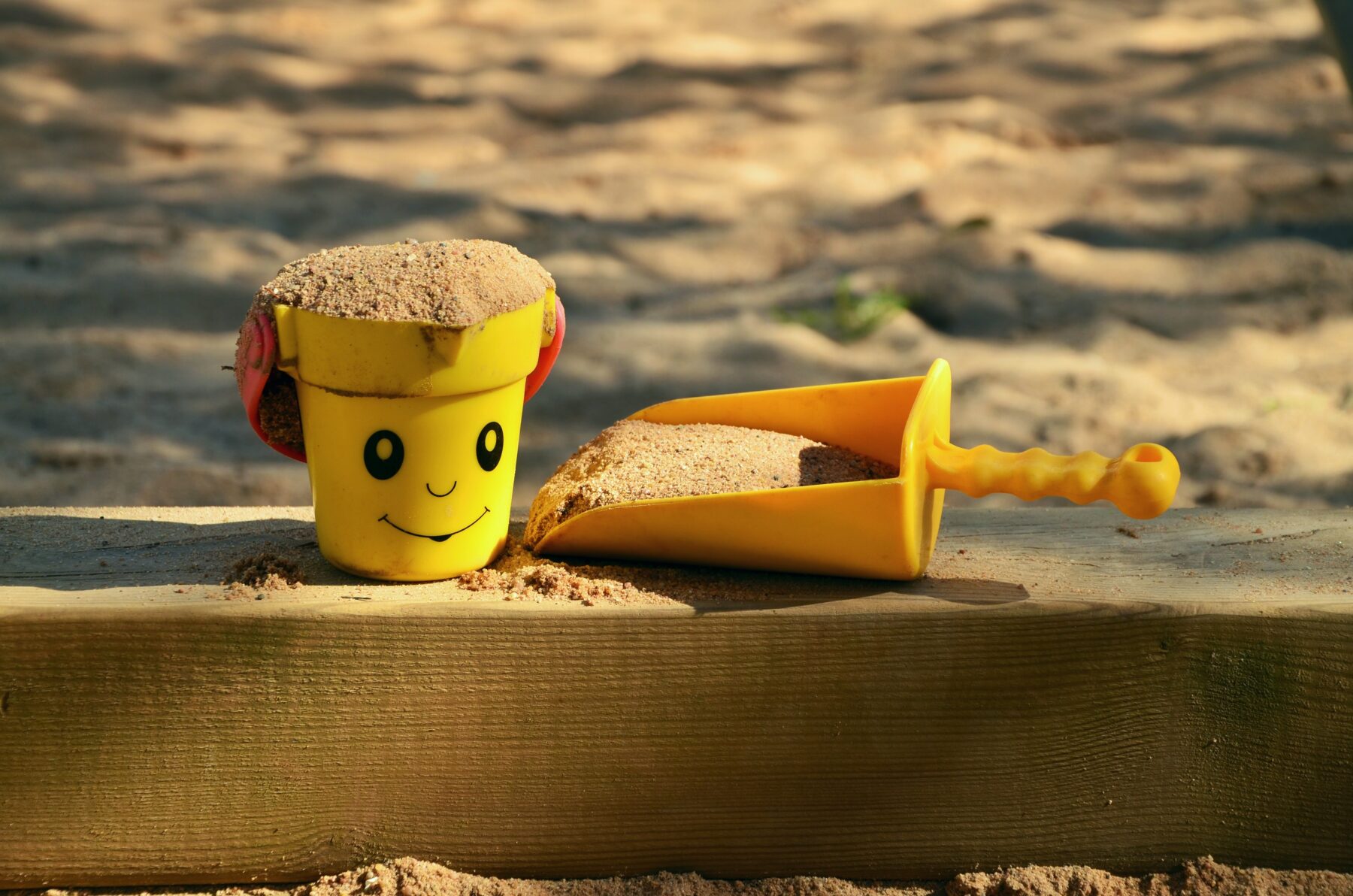
A Safer Foundation for Play
Play naturally involves movement, leading to occasional falls in the process. The surface below becomes an essential part of safety. Sand and gravel provide a forgiving landing zone that adjusts to impact. When children jump, tumble, or climb, these materials absorb and redistribute energy, softening landings in a way that supports peace of mind.
Sand and gravel naturally shift with use, maintaining a consistent level of protection. Where harder surfaces wear down or become uneven over time, loose-fill surfaces can be maintained by redistributing the material in order to sustain the required coverage where needed.
Meeting Playground Safety Standards
The performance of any playground surface is measured by its ability to reduce the severity of falls, known as critical fall height. Sand and gravel meet established safety standards when installed at an appropriate depth. Maintaining a depth of approximately 9 to 12 inches provides reliable cushioning beneath most playground structures.
This depth is essential because the ability of sand and gravel to absorb impact depends on both thickness and condition. Regular checks and light raking help keep these surfaces at safe levels, ensuring dependable protection while meeting recognized safety benchmarks.
Simple Maintenance, Reliable Performance
Sand and gravel provide a straightforward strategy to maintain a playground surface. Even after extensive use, they remain level and ready with a quick rake. It is simple maintenance that requires no complicated procedures or sophisticated equipment.
These materials also excel at managing water. Sand and gravel allow rain to easily drain through, permitting surfaces to dry rapidly and remain usable. Play can resume soon after the weather clears, allowing maximum use.
A Natural Look That Fits Many Settings
A playground’s appearance is important as well. Sand and gravel bring an organic appearance that fits seamlessly into many environments, whether a public park or a community green space. Their neutral tones and texture blend into landscaping without competing with surrounding elements. Sourcing sand and gravel responsibly, particularly from local suppliers, can help reduce transportation costs and environmental impact. Choosing these materials reflects a strategy that values both sustainability and aesthetics.
Durable and Cost-Conscious
Playgrounds see constant use, so materials need to hold up over time without demanding excessive upkeep or replacement. Sand and gravel deliver durability because they do not degrade in the same way synthetic options might. They maintain performance even as they shift naturally over time.
Installation and upkeep remain straightforward and affordable. When properly contained, sand and gravel hold their place and continue to perform year after year. They are a sensible choice for areas where cost containment and long-term performance are equally important due to their longevity and low maintenance requirements.
Sand and gravel build a dependable surface that feels right in a space made for play. They soften every step, manage water naturally, and carry a look that fits seamlessly into the landscape. Their performance lasts, holding steady through heavy use and changing seasons without the burden of constant maintenance. They deliver the proper mix of function and simplicity, creating spaces where movement feels natural and safe. With their durability, ease, and aesthetic, it’s a foundation built in trust.