
From Quarry to Jobsite: How Aggregate Quality Impacts Project Performance
Strong projects take shape at the quarry, where aggregate quality is established long before the first truck is loaded. Every decision made at that stage influences how materials behave in production, how mixes perform during placement, and how finished surfaces carry loads over time. When aggregate quality is intentional from the start, performance becomes predictable rather than reactive.
April 22, 2026
Where Performance Truly Starts
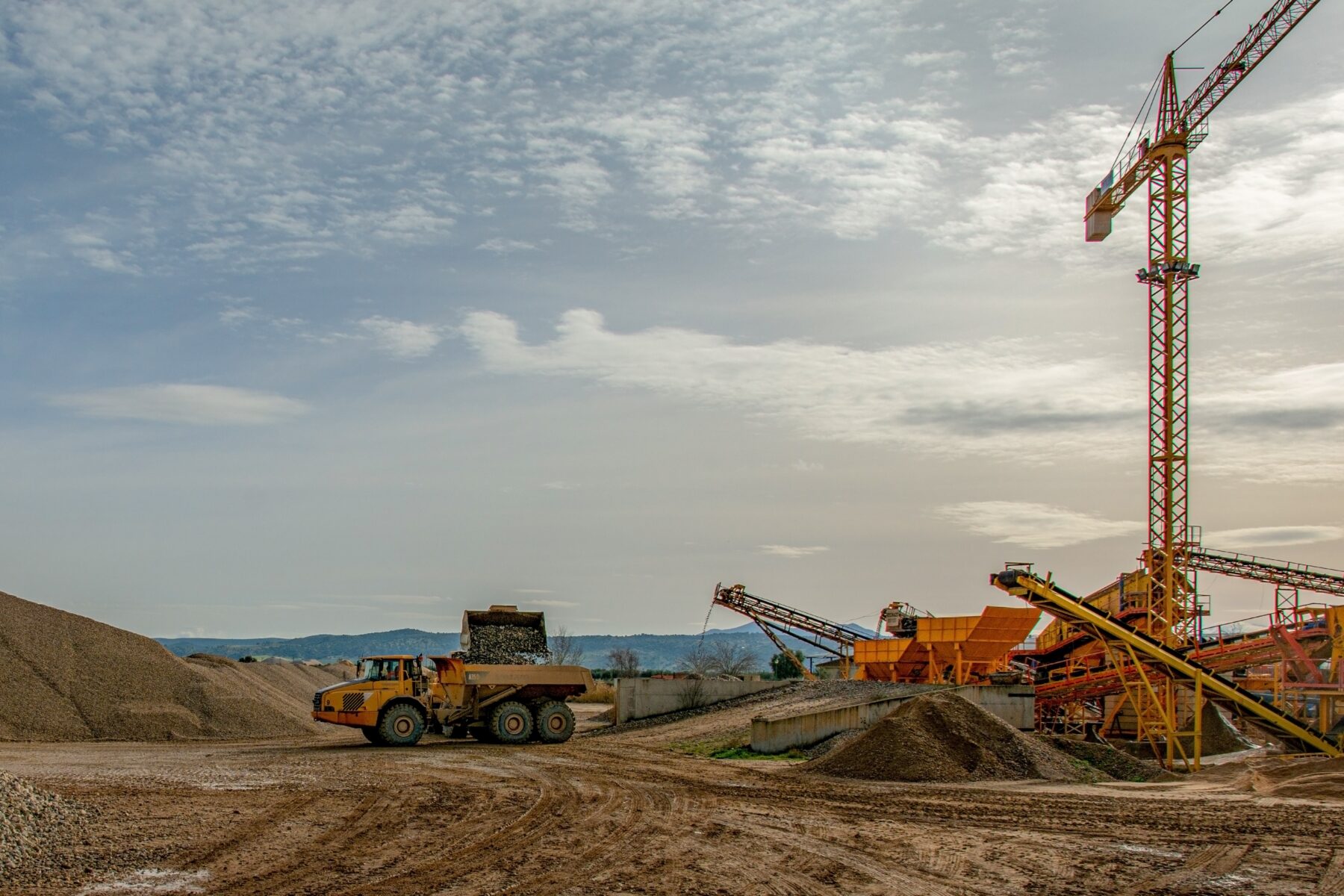
Not all rock behaves the same, and that reality defines the importance of quarry management. Geological consistency, material hardness, and mineral composition are determined at the source. Those characteristics shape how aggregates interact with cement paste, asphalt binder, and surrounding materials throughout the life of a project. A well-managed quarry does more than extract material. It actively controls variability to deliver aggregates that perform the same way, load after load. Processing methods reinforce that control. Crushing techniques determine particle shape and surface texture, both of which play a role in bonding and internal friction. Screening and washing remove unwanted fines and impurities that interfere with mix performance.
Gradation Sets the Tone for the Entire Mix
Gradation is often discussed as a technical requirement, but its impact extends far beyond meeting a specification. Properly graded aggregates create tighter packing, which supports strength development and structural stability. In concrete, this means reduced paste demand and improved finish ability. In asphalt, it translates to stronger compaction and uniform density across the mat.
Consistency in gradation also drives efficiency. When aggregate sizes remain stable, mix designs stay balanced and production adjustments become the exception rather than the rule. Placement crews experience smoother workflows, fewer corrections, and more predictable results. Over the course of a project, that reliability protects schedules and keeps performance aligned with expectations.
Clean Aggregates Protect Long Term Durability
Aggregate cleanliness is not simply a quality checkbox. It directly affects bonding, moisture resistance, and overall durability. Excess clay, silt, or organic material weakens the connection between aggregate and binder, creating vulnerabilities that surface over time. These issues often show up as premature wear, surface distress, or moisture related damage. Producers that invest in thorough washing and routine testing deliver material that supports long term performance. Clean aggregates allow cement hydration to proceed properly and asphalt binder to adhere consistently. That attention to cleanliness becomes especially important in environments exposed to freeze thaw cycles, traffic stress, and seasonal moisture changes.
Strength Comes from Material Integrity
Beyond cleanliness and gradation, aggregate integrity plays a central role in performance. Abrasion resistance, soundness, and absorption rates influence how materials respond to repeated loading and environmental exposure. Aggregates with strong internal structure help pavements and concrete elements maintain their shape and strength under demanding conditions. This is where quality sourcing becomes visible in real world results. Durable aggregates reduce breakdown, limit deformation, and support longer service life. When material integrity is prioritized at the quarry, the finished structure gains a level of resilience that cannot be added later.
Consistency Drives Confidence on the Jobsite
High quality aggregates lose value if consistency is not maintained. Variability introduces uncertainty into production and placement, forcing adjustments that consume time and increase waste. Consistent aggregates support stable batching, reliable air content, and predictable strength development across every load. That consistency is achieved through disciplined quality control. Regular sampling, gradation monitoring, and performance testing allow producers to catch shifts early and correct them before they reach the jobsite. When quality control is embedded into daily operations, contractors receive material that behaves the same way every time it is placed.
Efficiency Is Built into the Material
Aggregate quality influences how efficiently a project moves from start to finish. High quality material reduces placement challenges, limits segregation, and supports uniform compaction. Crews spend less time troubleshooting and more time executing work as planned.
Production facilities benefit as well. Consistent aggregates flow more smoothly through plants, maintain a stable mix design and reducing material waste. These efficiencies compound over the life of a project, delivering measurable gains in productivity and cost control without sacrificing performance.
Long Term Results Are Decided Early
The durability of pavements, structures, and base layers is closely tied to aggregate quality. Aggregates carry loads, resist environmental stress, and anchor the performance of every mix. When quality is addressed at the quarry level, the finished product is better positioned to maintain its integrity year after year. Projects built on high quality aggregates require fewer repairs, maintain surface performance longer, and deliver greater value over time. These outcomes are the result of deliberate material selection, not chance. Performance is built into the project before placement ever begins.
From quarry to jobsite, aggregate quality shapes every phase of construction. It influences production efficiency, placement reliability, and long-term durability. Quality aggregates are the backbone of project performance. By sourcing aggregates from producers that emphasize consistency, cleanliness, and performance driven processing, projects gain a stronger foundation from the start.