
Prevent Cracking, Shrinkage & Surface Defects in Summer Concrete
Hot summer conditions can affect fresh concrete quickly, increasing the risk of cracking, shrinkage, and surface defects if the pour is not properly managed. High temperatures and rapid evaporation can shorten finishing windows and interfere with normal curing, especially on exposed slabs. Understanding how materials, mix water, curing, and joint placement work together helps crews reduce surface issues and improve long-term slab performance.
July 14, 2026
The Mechanics of Hot-Weather Cracking
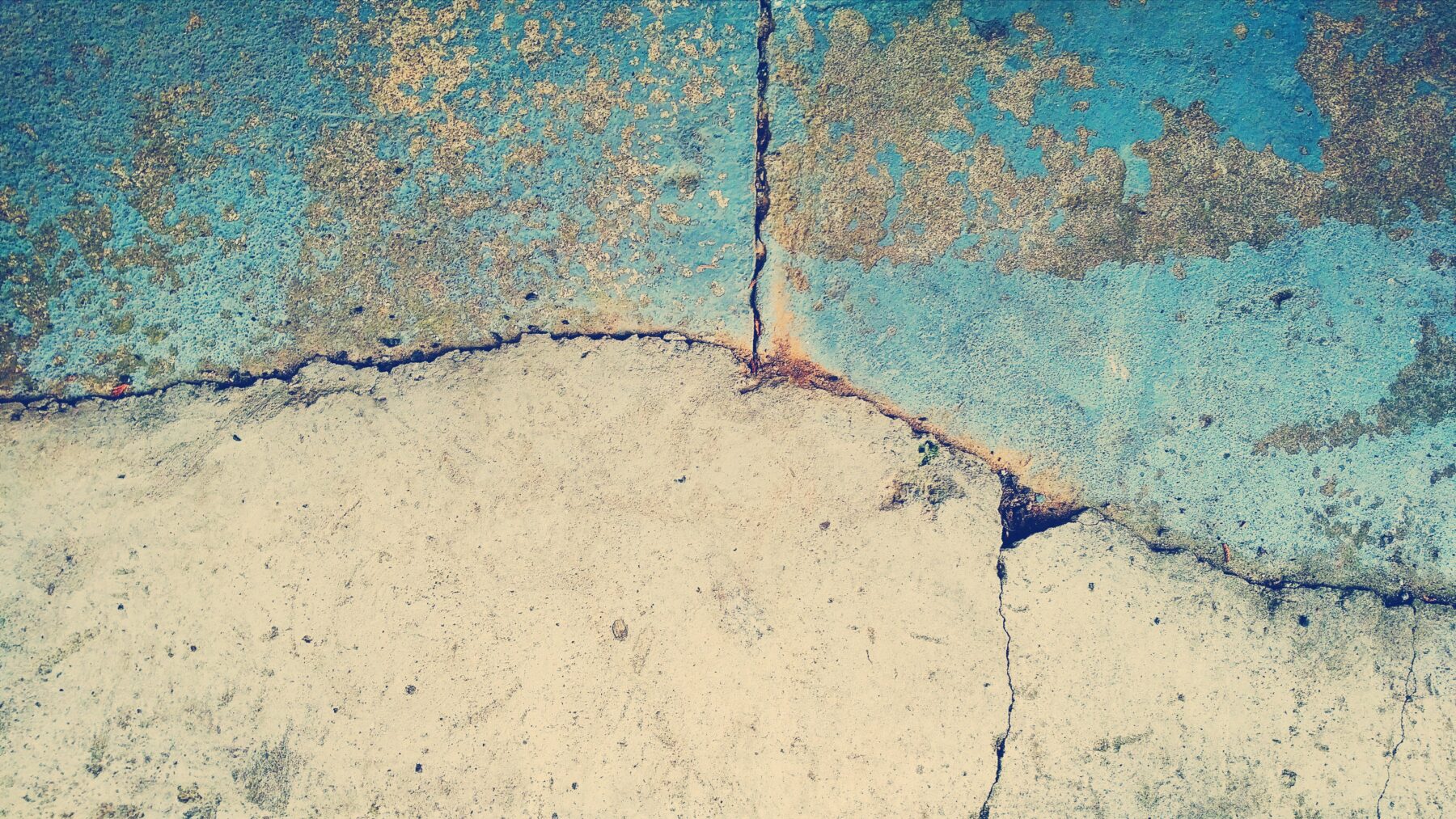
Plastic shrinkage cracks form when surface moisture depletes faster than interior hydration can compensate. Heat pulls moisture from the exposed paste before bleed water has finished rising, leaving the top layer without the protective moisture film it needs through the initial set period. Once the tensile stress created by differential shrinkage exceeds what the paste can hold, fracture lines appear, often before the finishing crew has stepped off the slab.
Aggregate Selection Sets the Foundation
With the right aggregate base grade, it controls moisture movement from the ground up, which directly affects how a slab responds to seasonal saturation and temperature shifts through the first winter and beyond. Paving aggregates with consistent gradation and minimal fines content support uniform compaction, reducing the uneven settlement that telegraphs into surface cracking. The sub-base acts as a buffer between soil movement and slab structure, so material quality at that stage carries the same weight as the pour itself.
The Role of Concrete Sand in Mix Behavior
Concrete sand governs how paste distributes through the mix and how the finished surface holds together under finishing pressure. Fine aggregate with sharp, angular particles increases internal friction within the matrix, which limits settlement and bleeding during placement. Sand carrying excess clay content or inconsistent gradation absorbs mix water unevenly, creating soft pockets in the paste that surface later as scaling or pop-outs. Properly washed and screened concrete sand produces consistent workability so placement and consolidation can stay on schedule, which matters most when ambient temperatures accelerate set time.
Managing Water Content in a Hot Pour
Heat-driven evaporation tempts crews to add water to maintain workability, but each added increment raises the water-to-cement ratio and weakens the paste structure. A mix batched at the correct ratio can gain a half inch of slump per 10 degrees of temperature increase above the design temperature, which compounds on the jobsite when trucks sit in queue. Scheduling deliveries to minimize standby time, using cooled water or ice in batching during peak summer heat, and working with a supplier whose plant monitors mix temperature through the load all reduce the moisture variation that feeds surface problems.
Curing Controls the Outcome
Evaporation retarders applied before finishing slow moisture loss during the critical window when bleed water is absent but the paste has not yet developed enough strength to resist shrinkage stress. Once finishing is complete, curing compounds or wet curing methods keep the surface moist long enough for cement hydration to advance past the brittle early stage, typically a minimum of seven days for standard mixes and extended under high heat conditions. Curing blankets or burlap held in place with consistent moisture contact reduce the surface-to-interior moisture differential that drives plastic shrinkage, protecting surface texture from the time the finisher steps off the slab.
Joint Placement and Spacing
Concrete shrinks as it cures, and that movement has to go somewhere. Contraction joints cut at regular intervals, generally one and a half times the slab thickness in feet for standard residential and commercial slabs, give the concrete a controlled plane to follow rather than allowing random fracture patterns to form. Cuts made after early shrinkage has already generated internal stress often find that cracking has started ahead of the saw blade. Timing the saw cut sequence to the slab’s actual set progression, rather than to a fixed clock interval, protects surface appearance through the curing window and into the first season of use.
Summer concrete is manageable when the right materials are staged before the pour begins. The aggregate base, the sand in the mix, and the timing of curing together determine how a slab weathers Iowa’s temperature extremes across its full-service life. Reach out to request a quote and connect with the Hallett Materials.