Top 8 Benefits of Using Locally Sourced Aggregates for Construction Projects
Where your aggregate comes from is a decision that affects every phase of a construction project. Contractors across Central and Western Iowa are learning that, and more of them are asking about haul distance before they lock in a supplier.
August 1, 2026
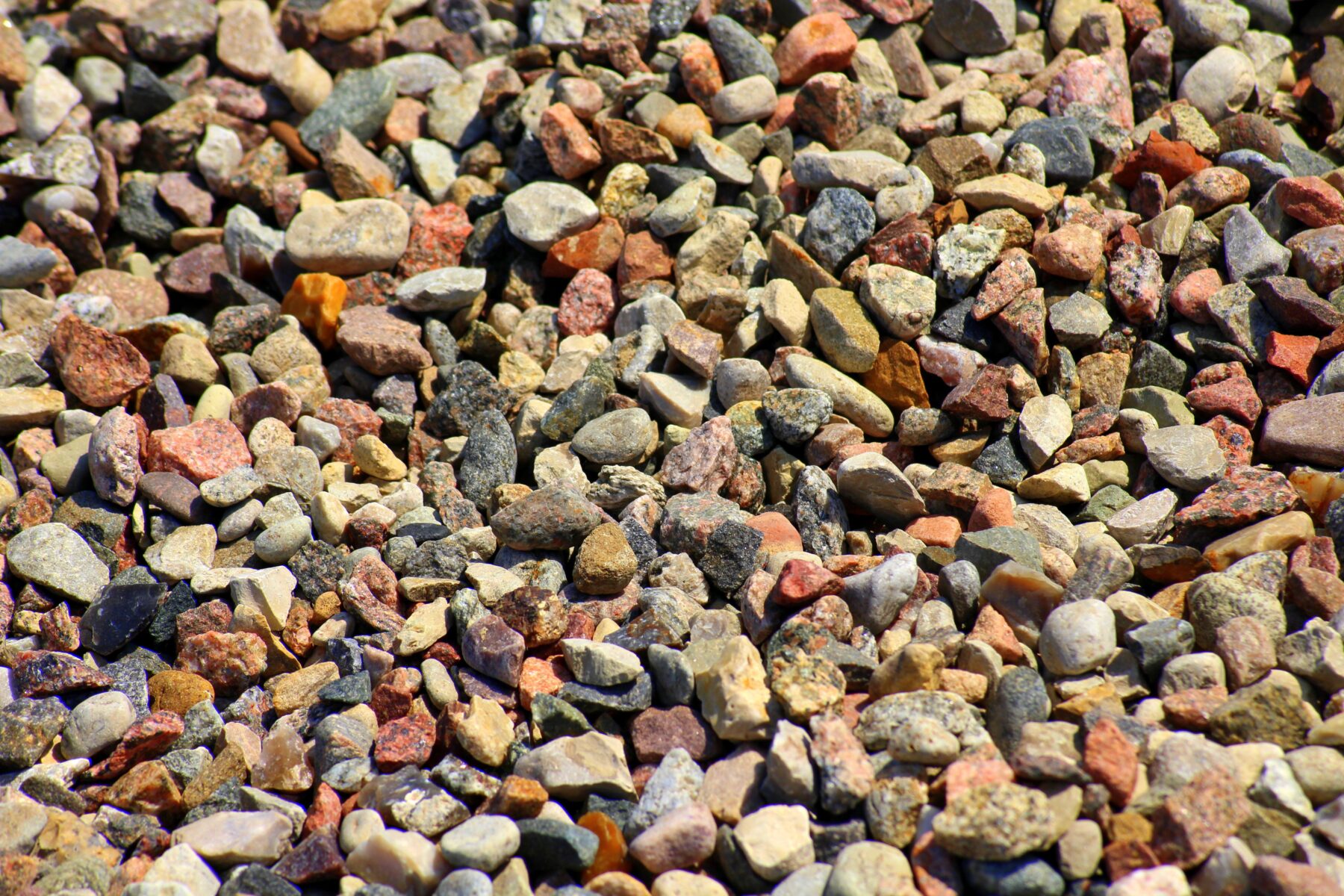
Where your aggregate comes from is a decision that affects every phase of a construction project. Contractors across Central and Western Iowa are learning that, and more of them are asking about haul distance before they lock in a supplier. A shorter haul means faster delivery, lower fuel costs, and material that’s already suited to the ground you’re building on. Local producers know the regional soils, understand the specs your projects run on, and can get a load to your site when you need it. Here are eight reasons why sourcing close to the job site gives you a real edge.
- Does Local Aggregate Sourcing Actually Lower Delivery Costs?
Distance drives cost on every aggregate order before a single ton gets loaded. Fuel and drive time both scale with how far a load travels, and a haul that runs twenty minutes instead of two hours changes the math on tonnage pricing fast. A regional producer with deposits scattered across Central and Western Iowa can usually put a load on site the same day it’s ordered, with the nearest pit rarely more than a few miles from the job. That short haul also protects the delivery window on pour days, when a late truck can stall a crew that’s already staged and ready.
- How Does Local Aggregate Gradation Match Iowa Ground Conditions?
Sandy river-bottom ground gives way to heavier clay from one side of an Iowa county to the other, and gradation needs shift right along with it. A producer working dozens of deposits across the same region screens material against conditions it handles every week, not conditions read off a spec sheet from somewhere else. That familiarity shows up in aggregate quality suited to local subgrade and drainage, cutting down on the testing a contractor would otherwise run in the field.
- Can a Local Supplier Keep Up With Peak Construction Season?
Construction season in Iowa compresses fast once frost clears, and most contractors in a given county break ground within the same few weeks. A single-pit supplier hits its ceiling the moment several projects order at once. A network of more than forty deposits spread across Central and Western Iowa gives a regional producer room to shift volume between sites, so one busy county doesn’t leave a neighboring project short on material.
- How Fast Can a Local Supplier Respond to a Schedule Change?
A deep supply network solves the volume problem, but pour dates still move on their own schedule. Weather and inspection delays push them by days or weeks, and site readiness adds its own swing on top of that. A supplier with pits and plants close to the job can reroute a truck or rebook a load within hours of a schedule change, where a distant supplier may need a full day’s notice or more. That flexibility keeps a crew from standing idle waiting on material that could have arrived that morning.
- Why Does a Local Producer Handle Iowa Spec Requirements Better?
Gradation and cleanliness thresholds shift by project type and jurisdiction across Iowa’s counties, and a producer working exclusively in the region tracks those changes as routine business. That local familiarity means a load arrives already screened to the specification a given project calls for, rather than leaving a contractor to verify every detail against a producer unfamiliar with state requirements. Fewer rejected loads at the gate translates directly into fewer delays at the pour.
- Do Shorter Hauls Really Cut Fuel Use and Truck Traffic?
The truck bringing that load still has to get to the site, and every mile it drives burns fuel and adds wear to local roads. Shorter hauls from nearby deposits mean fewer truck-hours on county roads per ton delivered, which matters on projects where haul routes run through residential areas or school zones. Contractors managing community relations on a project often point to a shorter haul route as the easiest variable to adjust.
- Can One Supplier Deliver Aggregate, Asphalt and Ready-Mix Together?
Aggregate, asphalt, and ready-mix rarely show up on a job site in isolation. Most projects need at least two of the three before the work wraps. A regional producer that supplies all of them lets a contractor coordinate deliveries from locations already synced on schedules and haul routes. That network typically covers:
- Paving aggregates for road base, subbase, and surface course
- Ready-mix concrete for footings, flatwork, and structural pours
- Asphalt for parking lots, drives, and resurfacing
- Landscaping gravel and sand for finish grading and drainage
Ordering all four from the same regional footprint cuts down on the coordination normally spent chasing separate suppliers for a single project.
- How Does Local Aggregate Spending Help the Community?
That same regional network keeps more than trucks moving. Equipment maintenance and wages tied to a nearby deposit stay inside the same towns where the project is being built, and material royalties add to the local tax base. Money spent this way doesn’t leave the region the way it does when material gets trucked in from three states over. A contractor choosing a regional supplier is, in a small way, reinvesting in the market it’s about to keep working in.
Why Do All These Benefits Come Back to One Regional Network?
These eight benefits aren’t separate line items on a bid sheet. They come from the same underlying fact: aggregate sourced close to the job costs less to move, fits the ground better, and comes from a supplier that can react when a schedule shifts. A short haul saves money on delivery, but it also protects the gradation match and the response time that keep a project on schedule once conditions change.
Central and Western Iowa contractors weighing suppliers on an upcoming job can compare locally sourced aggregates against material trucked in from farther away by requesting a quote directly from Hallett Materials.