
Why Stone Veneer Is Becoming a Top Choice for Cold-Climate Home Exteriors
Cold-climate construction places consistent pressure on exterior materials. Seasonal temperature swings, freeze thaw cycles, and prolonged moisture exposure demand finishes that hold up beyond surface appearance. As exterior systems evolve to meet those conditions, stone veneer continues to gain traction as a reliable solution. Its ability to combine durability, installation efficiency, and architectural consistency positions it as a practical choice for regions where weather exposure remains a year-round factor.
December 23, 2025
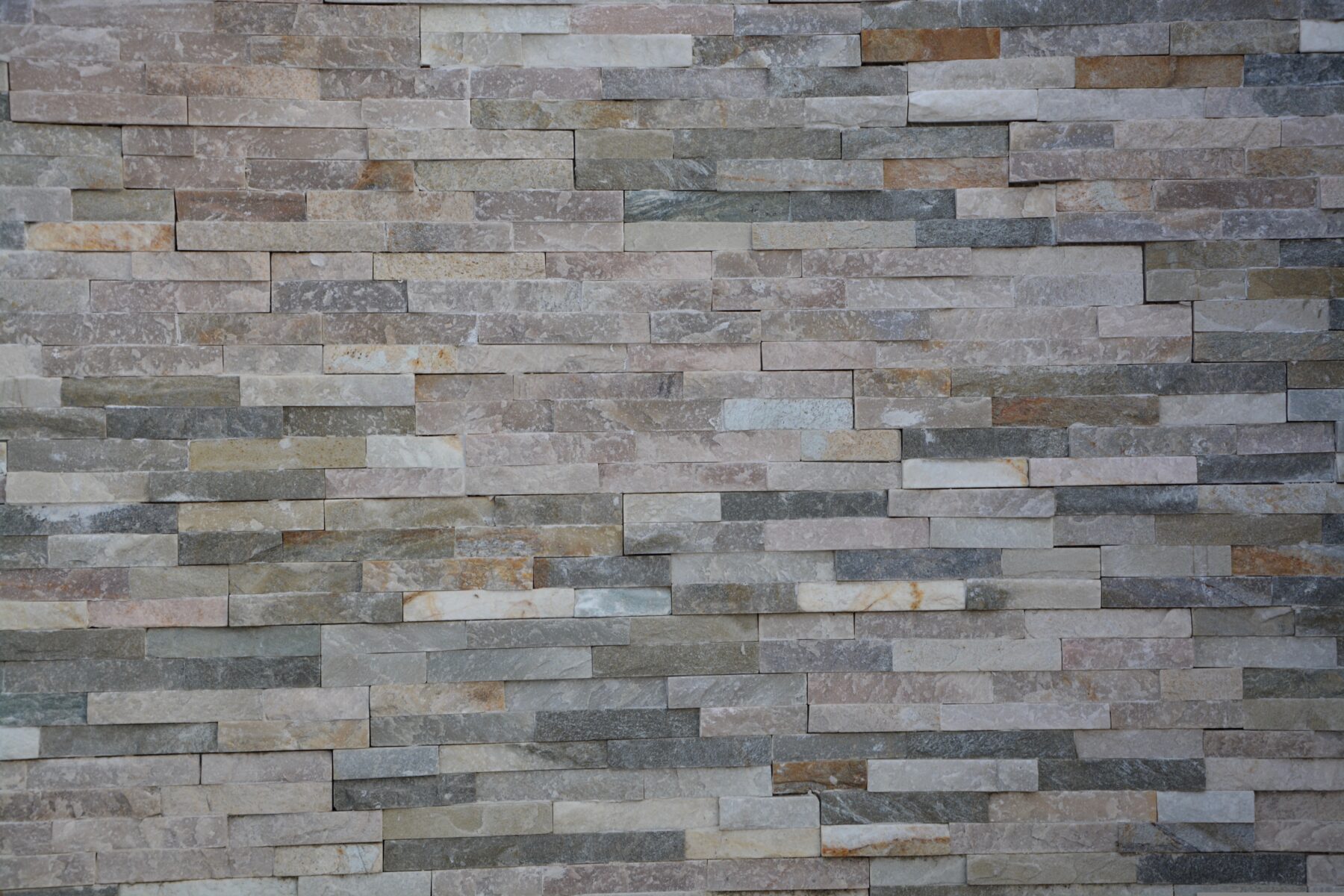
At the core of stone veneer’s appeal is how the product supports the exterior envelope rather than simply finishing it. Behind each installed surface is a material system designed to manage moisture, align with structural assemblies, and withstand long-term environmental stress common to colder regions.
Engineered for Freeze Thaw Conditions
Freeze thaw cycles remain one of the most demanding forces acting on exterior materials. Moisture enters a surface, temperatures drop, and expansion creates internal stress that can compromise integrity over time. Stone veneer is manufactured with this cycle in mind. Controlled absorption rates and consistent material density help regulate moisture interaction, reducing the likelihood of cracking or surface breakdown.
Manufactured stone veneer relies on carefully proportioned concrete mixes that incorporate high-quality aggregates, cement, and durability-focused admixtures. Aggregate selection directly influences density, pore structure, and resistance to repeated thermal movement. When paired with proper drainage planes and moisture management details, stone veneer maintains stability across seasonal shifts while protecting the wall system behind it.
Reduced Weight That Supports Modern Wall Assemblies
Cold-climate homes increasingly rely on layered wall systems that combine insulation, air barriers, and weather-resistant components. Exterior finishes must integrate cleanly with those assemblies without introducing unnecessary structural demands. Stone veneer offers a clear advantage through its lighter weight compared to full bed stone.
The reduced load allows veneer systems to be installed over framed construction without additional reinforcement. This simplifies design coordination and supports predictable installation outcomes. At the same time, the finished exterior retains the depth, texture, and visual strength associated with masonry, delivering structural confidence and visual presence without complicating the build.
Predictable Installation in Narrow Construction Windows
Construction schedules in colder regions are often compressed by weather. Materials that require extended handling time or specialized sequencing can disrupt progress as conditions fluctuate. Stone veneer supports predictable installation due to its standardized sizing and consistent behavior in the field.
Units are manufactured for uniform joint spacing and repeatable placement, allowing crews to maintain momentum during shoulder seasons. Mortar systems formulated for lower temperatures further support installation when conditions shift quickly. This consistency reduces job site variability and helps exterior work remain aligned with broader construction timelines.
Design Flexibility That Aligns with Building Priorities
Exterior design in cold climates often balances energy efficiency with visual warmth. Stone veneer contributes to that balance by offering a range of textures, profiles, and color blends that complement both traditional and contemporary architecture.
Because veneer is manufactured, color consistency can be maintained across large surface areas. This becomes especially valuable when future repairs or additions are required. Matching existing installations years later is far more achievable than sourcing natural stone that may vary due to weathering or quarry availability. Veneer also integrates cleanly with concrete foundations, architectural panels, and other exterior materials, supporting cohesive designs that function as a unified system.
Compatibility with Concrete and Aggregate-Based Construction
Stone veneer works best when viewed as part of a broader construction ecosystem rooted in concrete and aggregate materials. Foundations, footings, and structural walls provide the stability that allows veneer systems to function effectively on the exterior. Material compatibility becomes critical in cold climates, where differential movement and moisture response directly influence long-term durability.
Aggregates used in stone veneer production often mirror those found in ready mix concrete and masonry products. This shared material composition supports consistent thermal movement, moisture behavior, and aging characteristics throughout the structure. When exterior finishes align with the materials supporting them, longevity becomes an outcome of the system rather than a standalone feature.
Stone veneer continues to earn its place in cold-climate construction by aligning material durability with modern building systems. Its resistance to freeze thaw conditions, installation efficiency, and compatibility with concrete-based construction make it a dependable exterior solution in demanding environments. Evaluating stone veneer early in the planning process helps ensure the exterior contributes to long-term stability while reinforcing the structure behind it.